2028 presidential election odds
The 2028 election markets ask the big questions of the next US presidential race: who wins the presidency, which party takes it, and who each major party nominates. Smaller markets ask whether particular people will announce a run, or how the primary season unfolds. Most of these are multi-outcome markets with a long list of names, each carrying its own Yes price. Read each price as a percentage: a name at 12¢ has about a 12% chance in the market's view, while names at 1¢ or 2¢ are long shots that traders consider unlikely but won't rule out. Long before the first ballots are cast, these prices mostly track expectations about who will run and who can build support.
2028 election odds right now
Live prices as of November 16, 2026
| Market | Odds | Traded | Closes |
|---|---|---|---|
| Republican Presidential Nominee 2028 | J.D. Vance 37% | $739M | Nov 8, 2028 |
| Democratic Presidential Nominee 2028 | Jon Ossoff 26% | $1.3B | Nov 8, 2028 |
| Presidential Election Winner 2028 | Jon Ossoff 18% | $744M | Nov 8, 2028 |
| Which party wins 2028 US Presidential Election? | Democratic 67% | $2.8M | Nov 8, 2028 |
| 2028 presidential odds leader on November 30? | Other (including Ossof) 85% | $157K | Nov 30 |
| Who will announce Presidential run before 2027? | Gavin Newsom 5% | $1.5M | Jan 1, 2027 |
| Iowa Republican Presidential Caucus Winner 2028 | J.D. Vance 27% | $7.6K | Nov 8, 2028 |
| South Carolina Republican Presidential Primary Winner 2028 | J.D. Vance 27% | $9.7K | Nov 8, 2028 |
| Democratic VP Nominee 2028 | Rob Sand 12% | $197K | Nov 8, 2028 |
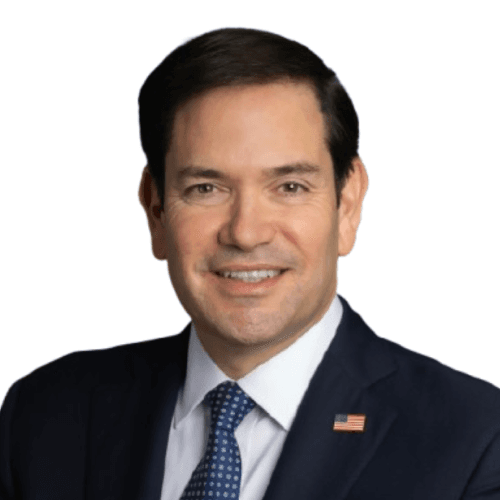
| Rubio's Republican nomination odds hit __ by December 31? | ↑ 25% 22% | $21K | Jan 1, 2027 |
All 2028 election markets




How the 2028 odds take shape
A presidential race runs for years before Election Day, and the markets move with each phase.
- Before announcements: prices lean on name recognition, early polling and reporting on who is quietly preparing a campaign.
- Entries and exits: an official launch tends to lift a candidate, while a decision not to run sends a price toward zero and spreads that probability across the rest of the field.
- Debates and fundraising: strong debate showings, big quarterly hauls and major endorsements move the nomination markets.
- Primaries and caucuses: early-state results and the delegate count do the most to settle each party's nomination.
- The general election: once the nominees are set, the winner market follows national and swing-state polling, the economy and campaign events.
Tip: in a nomination market, the Yes prices across every listed name should add up to roughly 100%, give or take the small gap between buying and selling prices. If one name rises sharply, others have to fall. Our guide to multi-outcome markets explains why.
Questions
How do 2028 presidential odds work?
Each candidate has a Yes share that trades between 1¢ and 99¢. The price is the market's estimate of that person's chance, and a winning share pays $1 when the result is settled.
Why does someone who hasn't announced a run still have odds?
Markets often list people who might run. Their price folds together the chance they enter and the chance they win if they do, so it can be low even for well-known names.
Are the nominee and winner markets separate?
Yes. A nomination market only asks who a party picks, while the winner market asks who becomes president. A candidate's winner price is usually lower than their nomination price, since they would need to win both.
Can I sell before the election?
Yes. You can sell your shares at the current price any time before the market settles, to lock in a gain or limit a loss.
Related odds
- US election odds and predictionsLive US election odds for president, Senate, House and governor races. Track each candidate's and party's probability as polls and vote counts come in.
- Political prediction markets and oddsLive political odds on elections, leaders, legislation and appointments. See the probability traders give each outcome, updated as the news breaks.
- Trump prediction markets and oddsLive odds on Donald Trump: policy decisions, appointments, departures, meetings and public statements. See the chance traders give each possible outcome.